
Scaling Clean Cooking Means Backing Every Viable Solution
Recently, energy ministers from around the world gathered in Paris at the headquarters of the International Energy Agency to discuss the world’s most pressing energy issues—and clean cooking was firmly on the agenda.
This moment has been decades in the making.
For years, governments, companies, and organizations like the Clean Cooking Alliance have been doing the steady, often invisible work of positioning clean cooking where it belongs: at the intersection of energy security, climate action, public health, and economic development. That progress has been built through evidence, policy engagement, market building, and persistent advocacy.
So, seeing clean cooking discussed at the IEA Ministerial alongside power systems, critical minerals, AI, and investment pathways doesn’t feel like a sudden elevation. It feels like the global energy community is finally acknowledging that for the 2.1 billion people who have no choice but to cook daily with wood and charcoal, the energy transition is not only about decarbonizing existing systems, it is about gaining access to affordable, modern energy for the first time.
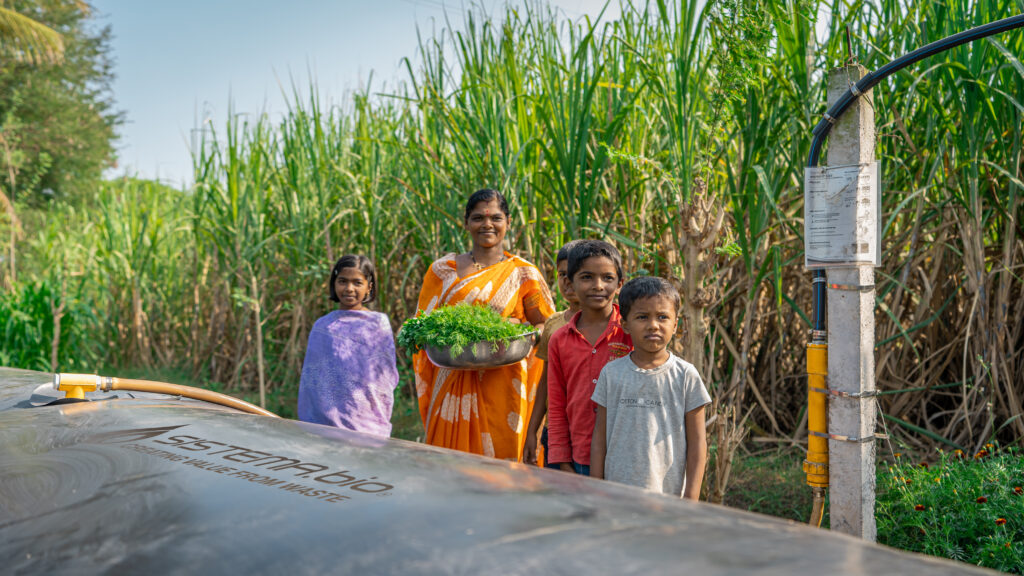 Photo: Sistema.bio
And yet, as attention grows, so does a familiar temptation: the search for a single, breakthrough solution. The fuel that will scale fastest. The technology that will leapfrog the rest. The narrative that promises speed and simplicity.
History tells us that energy transitions rarely work that way. Clean cooking certainly doesn’t.
The access and affordability gap is not uniform. It stretches across dense cities and remote rural communities, across fragile states and fast-growing economies, across households and schools connected to electricity grids and those far beyond them. Infrastructure readiness varies. Affordability varies. Cultural cooking practices vary. A strategy built around one dominant energy pathway risks repeating a pattern we have seen before: overpromising viability in some contexts while underinvesting in others.
The truth is more grounded, and ultimately, more workable.
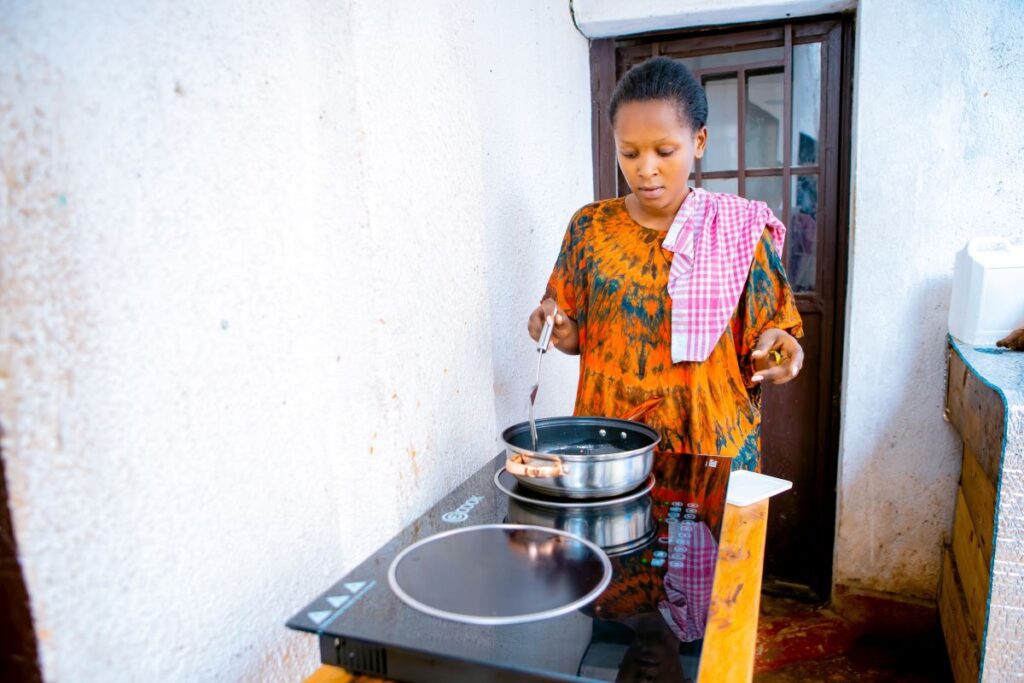 Photo: ATEC Global
Different solutions succeed in different places. High-performing biomass stoves deliver immediate health improvements and reduce demand for firewood and charcoal where the transition to higher-tier solutions must happen in stages. Biogas builds resilience in agricultural communities. Bioethanol can scale where supply chains and feedstocks align. LPG has driven rapid adoption and measurable health gains in some markets. Electric cooking is becoming viable as grids strengthen and appliance costs fall.
No single pathway will reach all 2.1 billion people. Collectively, they can succeed.
Energy transitions are not linear. Households and institutions move gradually, often stacking fuels before settling into more stable modern energy systems. Infrastructure builds over time. Costs come down. Policy frameworks mature. What matters is sustained movement away from polluting fuels and practices, and ensuring that the solutions replacing them are durable, affordable, and trusted.
This is why the clean cooking community must be more explicit about what we stand for: an all-fuels, all-technologies approach, grounded in evidence, responsive to country context, and centered on consumer choice.
Not because inclusivity sounds diplomatic, but because real delivery demands it.
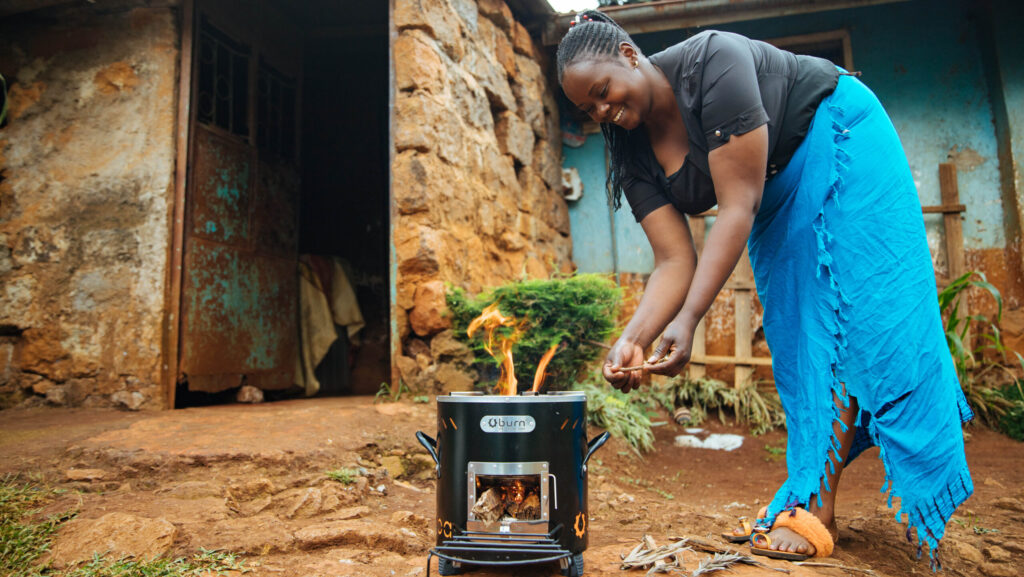
Financing must reflect this reality. Concessional capital, private investment, and results-based financing all have essential roles to play. But capital should not narrow prematurely around a single fuel or technology narrative. Diversified portfolios reduce risk and increase the probability that funded solutions match real-world conditions, where a mother in rural Malawi, a street vendor in Dhaka, and a school kitchen in Kigali each face fundamentally different constraints.
Governments face parallel trade-offs. Energy security, fiscal pressure, industrial policy, and climate commitments intersect in complex and sometimes competing ways. Predictable policy environments that enable multiple solutions to grow, produce more resilient, more inclusive markets.
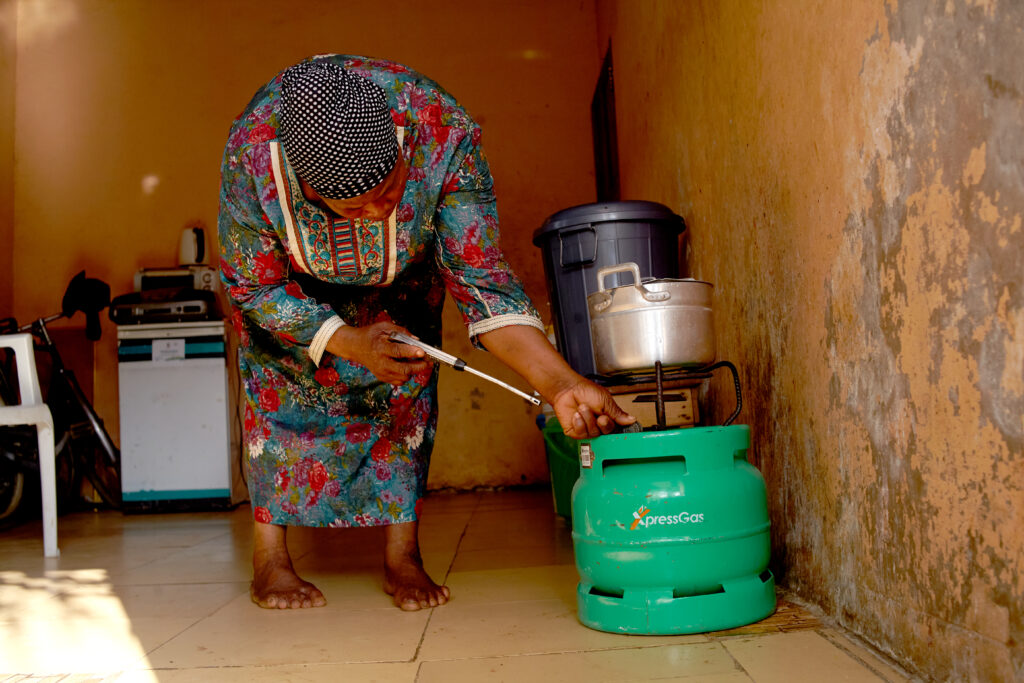
As we look ahead to the second Summit on Clean Cooking in Africa this July, the question before us is not, which fuel wins?
The question is whether we are serious about closing the clean cooking access gap.
That means turning political commitment into deployed capital. Turning capital into project pipelines, and turning those pipelines into real infrastructure, distribution networks, consumer finance, and sustained adoption. It means moving from ambition to accountability.
It also means resisting the urge to reduce a systems challenge to a technology debate.
Yes, clean cooking is about energy security, health, climate, gender equity, forests, livelihoods, and economic productivity. But at its core, it is about whether a family, a school, or a vendor can cook a meal safely and affordably, today and every day.
There is no silver bullet for that. There is only the hard, necessary, and deeply consequential work of building markets that function across fuels, across technologies, and across contexts, guided by evidence, responsive to country realities, and disciplined about supporting every viable solution.
If we stay focused on that work, the Summit in July will be defined by how effectively we are drawing on all the tools and solutions available to us to close the access gap quickly, and how many lives are changing because we chose delivery over debate.