
A Breakthrough Moment for Clean Cooking at the G20
Clean cooking has been steadily rising on the global energy agenda, driven by the leadership of African governments and persistent advocacy from organizations like the Clean Cooking Alliance (CCA), the International Energy Agency (IEA), and many others. The outcome of last week’s G20 Energy Ministers’ Dialogue in Durban marks another important step forward.
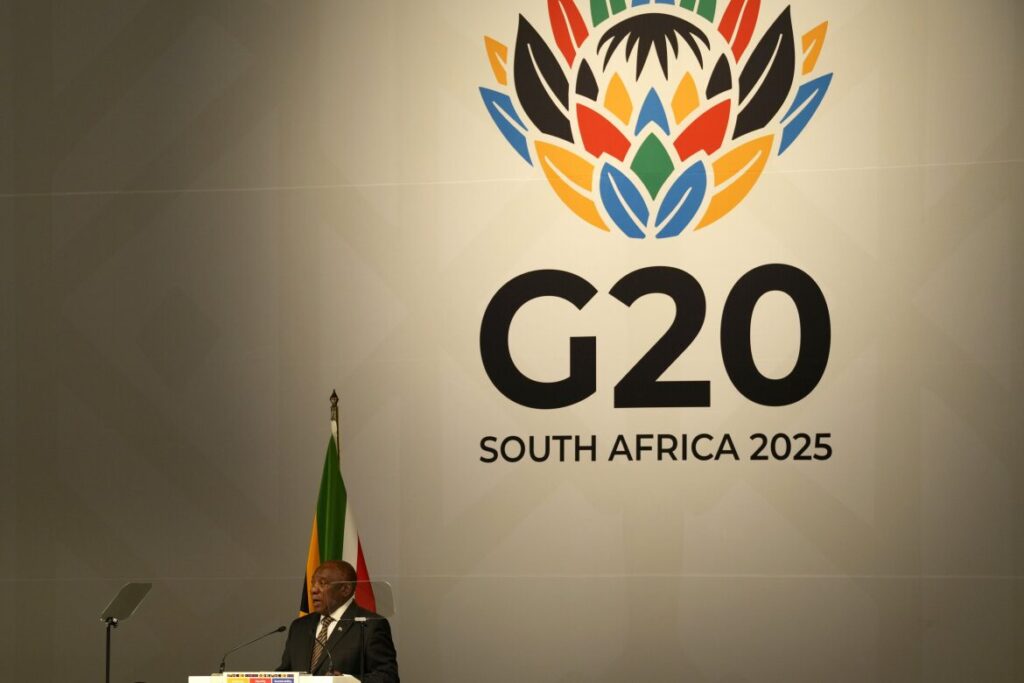 Photo: Central News
Under South Africa’s G20 Presidency, leaders reached consensus to elevate clean cooking as a standing item in G20 discussions—a first in the forum’s history. Minister Kgosientsho Ramokgopa called it “a human rights issue,” underscoring that universal access to clean cooking is not only about energy, but about dignity, health, and opportunity.
This breakthrough builds on the launch of the G20 Clean Cooking Legacy Programme and the Voluntary Infrastructure Investment Action Plan: “Closing the Clean Cooking Gap.” Together, these frameworks lay out a roadmap for integrating clean cooking into national and regional infrastructure strategies, mobilizing finance, and strengthening local value chains, especially those creating jobs and skills for women and youth.
The Action Plan identifies a set of voluntary measures that governments, investors, and partners can take to:
- Align energy planning and fiscal policies with clean cooking goals
- Develop infrastructure investment and risk-sharing instruments
- Support local manufacturing and entrepreneurship in clean cooking supply chains
- Expand access to data, standards, and awareness-building linked to climate and carbon frameworks
Clean cooking is now being treated as core infrastructure—not a social add-on, but a fundamental part of sustainable growth and just energy transitions.
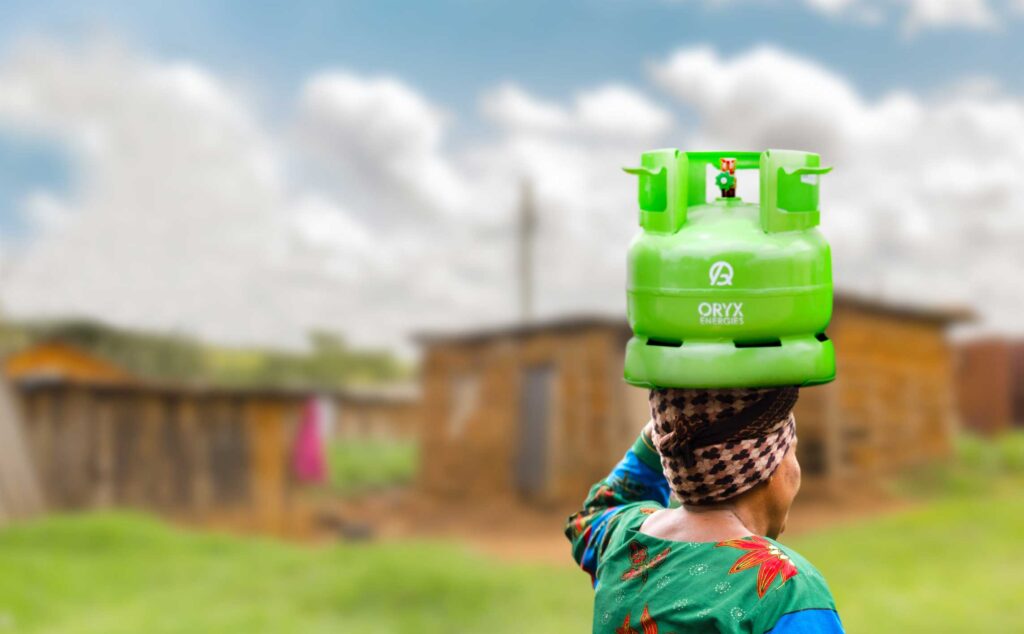 Photo: Oryx Energies
At CCA, we’re proud to have supported South Africa’s Department of Mineral Resources and Energy, alongside the IEA, the African Union, and a wide network of partners to help make this moment possible. It reflects years of collaboration—combining advocacy, technical assistance, and policy support—to move clean cooking from the margins to the mainstream of energy and climate planning.
Now comes the real test: implementation.
Global recognition must be matched by real capital, stronger institutions, and local delivery capacity. Donors, investors, and the private sector have a critical role to play, supporting governments to turn these commitments into concrete projects that improve lives and accelerate clean energy transitions.
Clean cooking has momentum. Our task now is to sustain it and scale it.
Read the full Voluntary Infrastructure Investment Action Plan: “Closing the Clean Cooking Gap”