
Beyond the Appliance: What deep research reveals about household cooking transitions
In my work at CCA’s User Insights Lab (UIL), I’m often asked why qualitative research is central to the Lab’s studies. The answer is because we draw on anthropology—the study of people and cultures—to see and deeply understand systems in motion. Our work—made possible by the generous support of Osprey Foundation—is immersive, contemplative, and interpretive, requiring us to suspend assumptions and empathize with the people we seek to understand. In this way, we’re able to glean the forces that shape their behaviors and decisions around cooking. This information makes it possible for companies to design clean stoves and fuels that match people’s real—and not assumed—needs.
The UIL’s first deep study: Use of Electric Pressure Cookers in Nairobi, Kenya
In 2024, Electric Pressure Cookers (EPCs) had only recently been introduced in Kenya. Companies told us their most advanced EPC could provide them with data on how much customers use their appliance but could not shed light on the nature of that usage: when, why, and in what circumstances people actually cook with them.
To better understand what happens once a family acquires an EPC, a team of UIL researchers spent a total of 90 hours in the homes and kitchens of 21 Nairobi households, visiting each one twice. We learned that cooking isn’t just functional; it’s also emotional, cultural, and social.
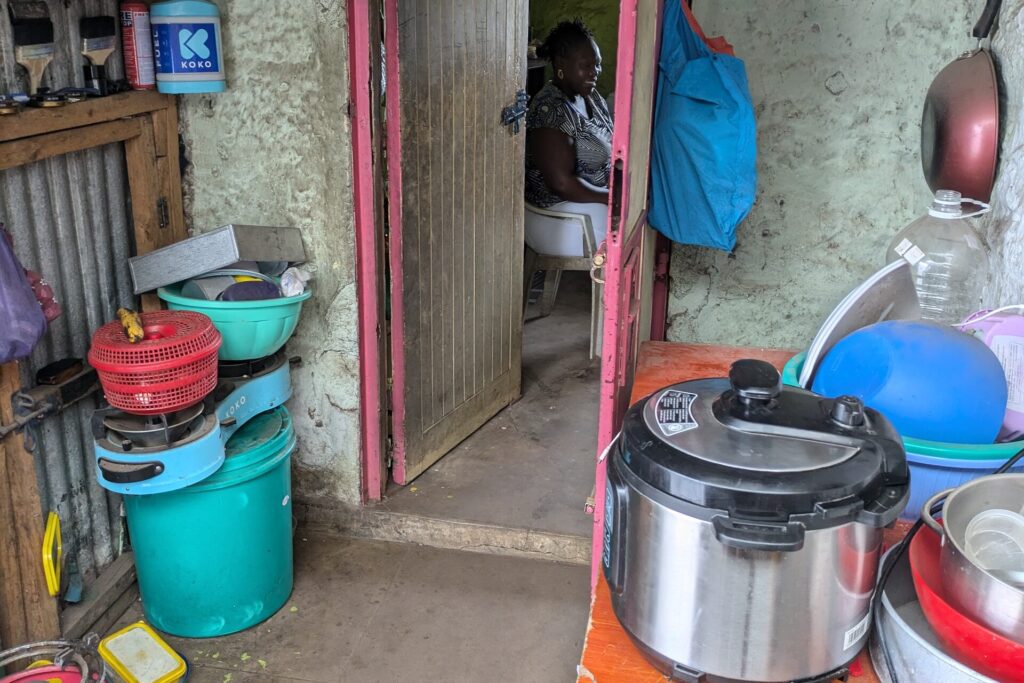
As Valerie, one of the study participants, told us, “Cooking is more than just a task. it’s a way of bringing everyone together, even if only briefly.” Mary shared, “Seeing my family smile after eating the food I have prepared really makes all the difference.” Jamilah reflected, “I feel a sense of accomplishment. It’s rewarding knowing that I’ve made something that nourishes and brings joy.”
These stories and moments remind us that cooking is as much about culture, connection, and care as much as it is about the practical challenges of budgeting, efficiency, and convenience. As Monica told us, “Cooking feels like the heartbeat of our home, bringing everyone together to share stories and meals.”
That is why the UIL’s deep research takes place in people’s kitchens: when we are with people as they cook, we can observe and better understand the progress they are trying to make—their goals, trade-offs, tensions, and constraints. Recognizing that emotional landscape is essential because it shapes how and when people choose to use—or not use—new clean cooking technologies.
Contextual realities and cultural logics
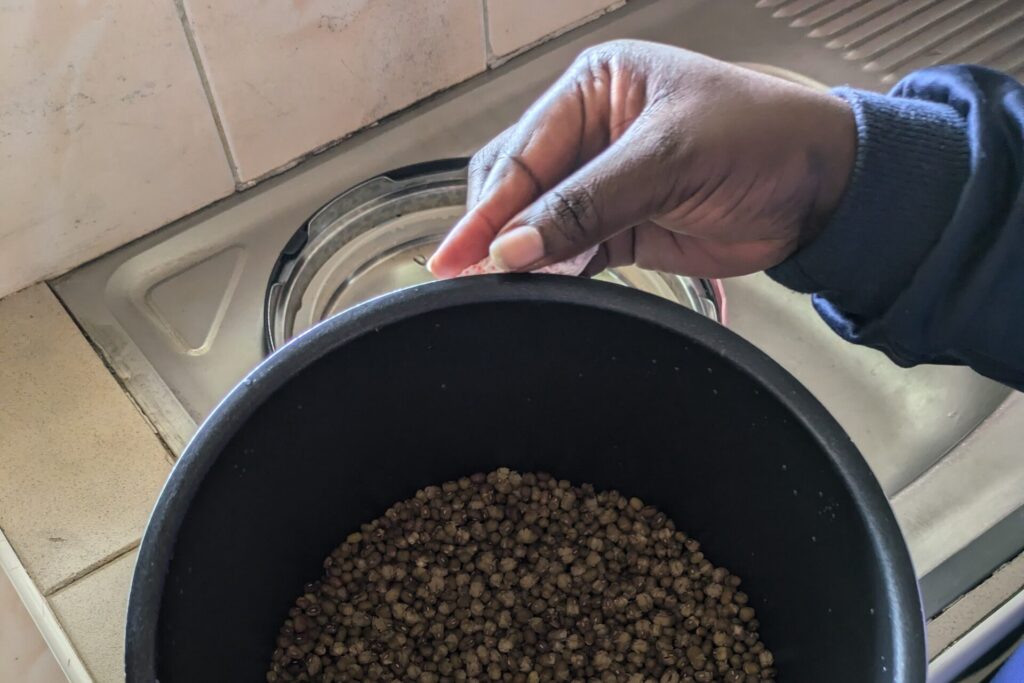
Once inside participants’ homes, we learned about their contextual realities—the practical conditions of everyday cooking—and their cultural logics—the reasoning systems that make those practices feel right or sensible.
We found that home cooks often used their EPCs alongside gas stoves, jikos (charcoal-burning clay or metal stoves), and bioethanol stoves, adjusting constantly for cost, fuel access, meal requirements, and taste.
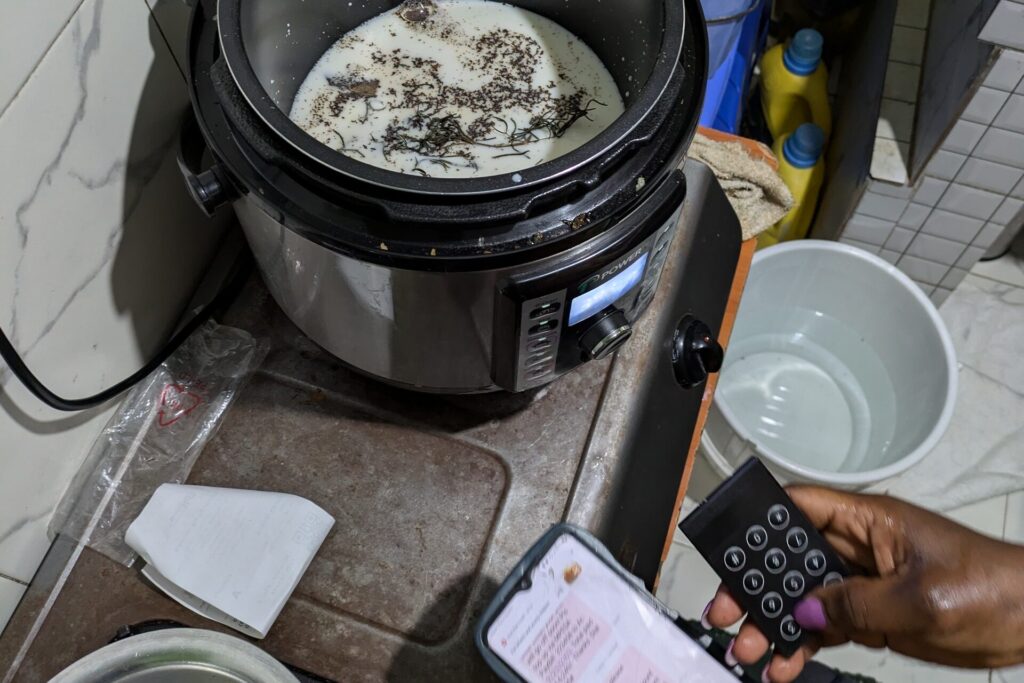
As Eunice explained, “I use appliances strategically: LPG for quick meals, and the electric pressure cooker for things like beans or stews that need longer cooking times. Fuel costs are always a consideration, so I try to be mindful of how much we use. Fuel costs definitely affect how I cook. If I can use the EPC to save on LPG, I will.”
The study surfaced many other user concerns that could not have been known without deep research. Some participants worried about EPC use contributing to rising electricity bills, or were reluctant to use the EPC for fear of “spoiling” it. Others questioned the practicality of cooking with only a single pot. The preparation of ugali, a Kenyan staple, was treated with particular care: many were cautious about preparing it using modern methods such as the EPC. Convenience, too, was a factor, with short power cords limiting where the EPC could sit. For others, safety was a concern, as hard-to-secure lids reminded them of the old manual pressure cookers they considered to be noisy and dangerous to operate.
These details may seem small, but they reveal why the adoption of clean cooking solutions is not inevitable without thoughtful product design. Behavioral patterns make sense when observed in kitchens rather than on spreadsheets. Doing this kind of work well takes time, patience, and openness. It is not easy, but it is always worth it.
Turning Insights into Action
Based on the UIL’s qualitative data, we built a series of visual frameworks that make people’s realities tangible and actionable. In this way, the trade-offs, motivations, and daily rhythms that researchers observed in people’s kitchens were conveyed to the EPC manufacturers and distributors in a usable format. Hosted on the UIL’s People Insights Portal, these artefacts act as structured reference points that guide design, product, engineering, and marketing teams alike. For example, the portal’s “cognitive maps” show daily trade-offs in EPC use; the “personas” reveal people’s motivations; and the “rhythms of the week” show EPC usage shifts over time. Together, these artefacts help build empathy and make the data easy to grasp and apply.
Closing the loop
To complement the UIL’s deep research, we surveyed another 300 EPC owners. Bringing these strands together showed how widely the study’s patterns held and where exceptions emerged—giving companies the confidence to make decisions, implement changes, and—we hope—run new experiments that lead to greater adoption of, and long-term loyalty to, modern cooking technologies.
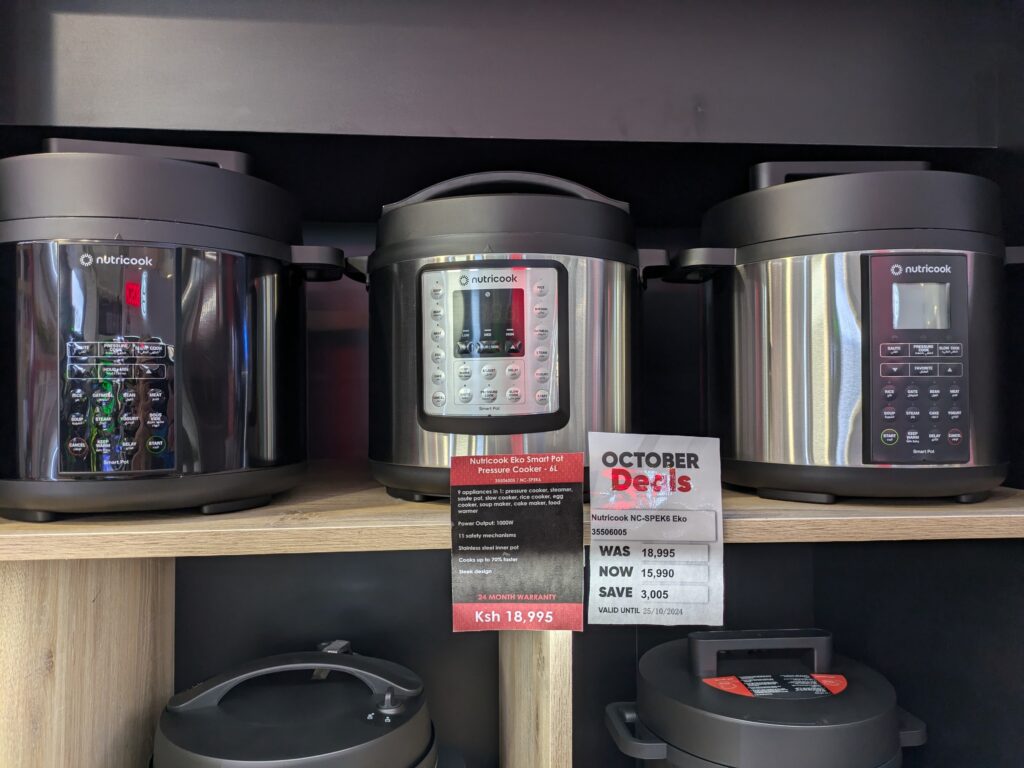
Beyond sharing the study’s insights with companies, the UIL proactively considered how the findings could inform EPC design. We partnered with an industrial designer to create a set of “napkin sketches” that imagine how future EPCs could look based on what study participants had told us. We also developed five prototypes of clickable EPC displays, which we then tested with a subset of participants to explore usability, appeal, and whether these refinements improved the overall user experience. The benefit of this innovative approach is that it allows users to test new features and provide very precise feedback that can inform future EPC design.
Ultimately, deep research is about seeing what really matters to people when it comes to their cooking energy needs, and making sure those who design solutions can see it, too.
Find out more from the UIL’s People Insights Portal.