

Overview
22.9M+ (67.2%)
Population without access to clean cooking (Source: WB, 2023)
4+
Active clean cooking ventures (Source: CCA)
0
Number of clean cooking RBFs (Source: CCA)
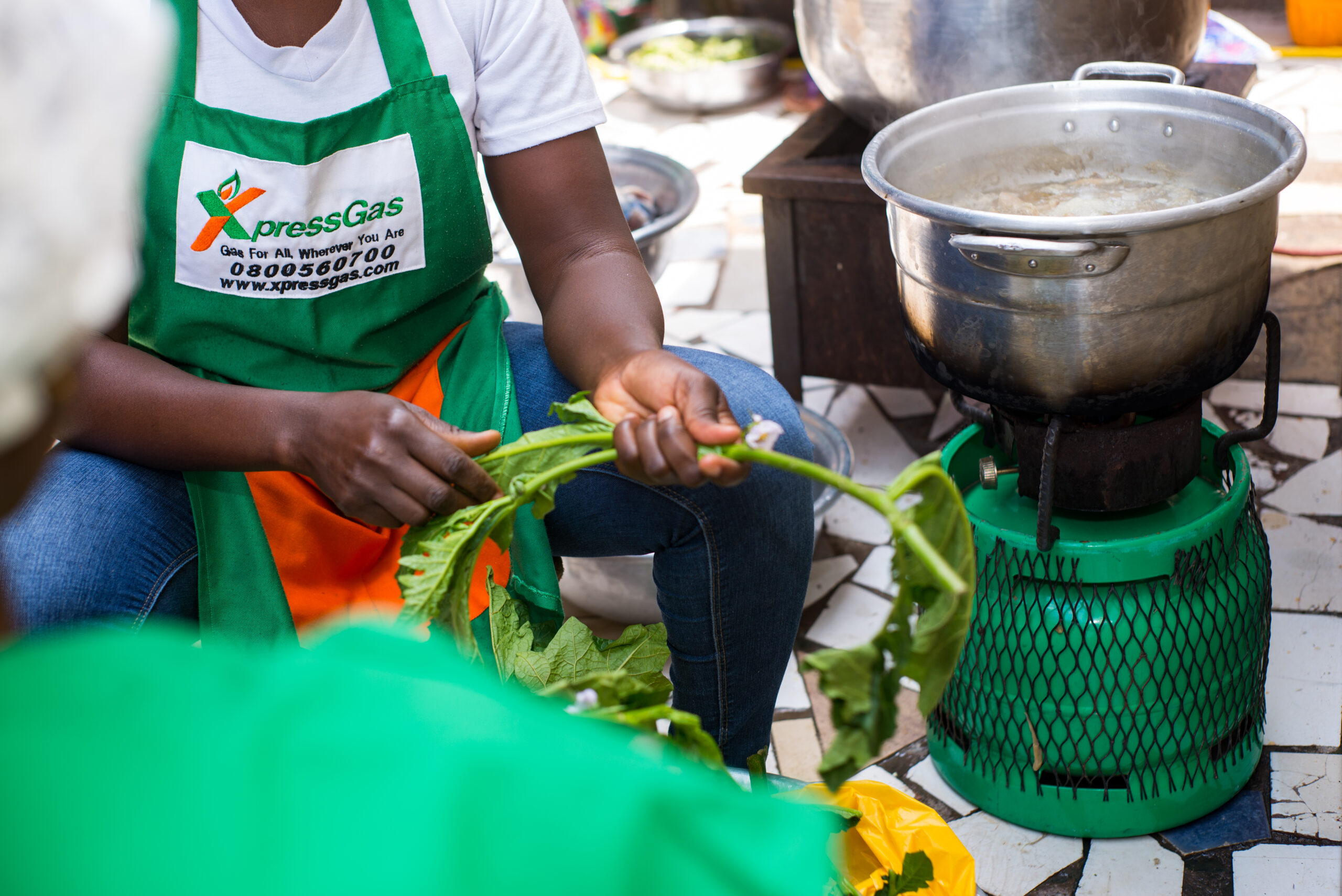
Ghana has a nascent clean cooking industry consisting of a small number of local companies across various technologies. There is a large unmet demand for clean cooking, but access rates have remained flat with around one-in-five having access to clean cooking technologies and fuels.
BURN Manufacturing established a factory in Ghana in 2022 (their first factory outside of Kenya). Politically, there is strong support for clean cooking from the office of the former Second Lady, Her Excellency Hajia Samira Bawumia, who is a global ambassador for clean cooking. Ghana is the only country to have twice hosted the global Clean Cooking Forum..
Supply
Demand
According to World Bank data, 32.8% of the population had access to clean fuels and technologies for cooking in 2023, up from 31.5% in 2022. In 2023, just 14.1% of the rural population had access to clean cooking fuels, compared with 48.2% of the urban population.
By comparison, Ghana has greater rates of access to electricity: 89.5% of the population had access in 2023, up from 85.1% in 2022.
Click ‘Read more’ to explore data from the World Bank.
According to the Ghana Consumer Segmentation report (see related resources below), two-fifths of urban households still use charcoal as their primary cooking fuel.
Related Resources
Policy
Click ‘Read more’ to explore relevant aspects of Ghana’s Nationally Determined Contribution and other policies relevant to clean cooking.
Carbon
Ghana has 15 registered cookstove projects. These projects have generated 8.4 million carbon credits to date.
Click ‘Read more’ to explore the dashboard.
Results Based Finance
To CCA’s knowledge, there have been no clean cooking RBF programs in Ghana, nor are there any active RBF programs at this time.
Connect With Us
If you’d like to see more data on this page, please email carbon@cleancooking.org or fill in the form below.