
Investor ResourcesCountriesNigeria
Overview
167 Million+ (73.8%)
Population without access to clean cooking (Source: WB, 2023)
10+
Active clean cooking ventures (Source: CCA)
1
Number of clean cooking RBFs (Source: CCA)
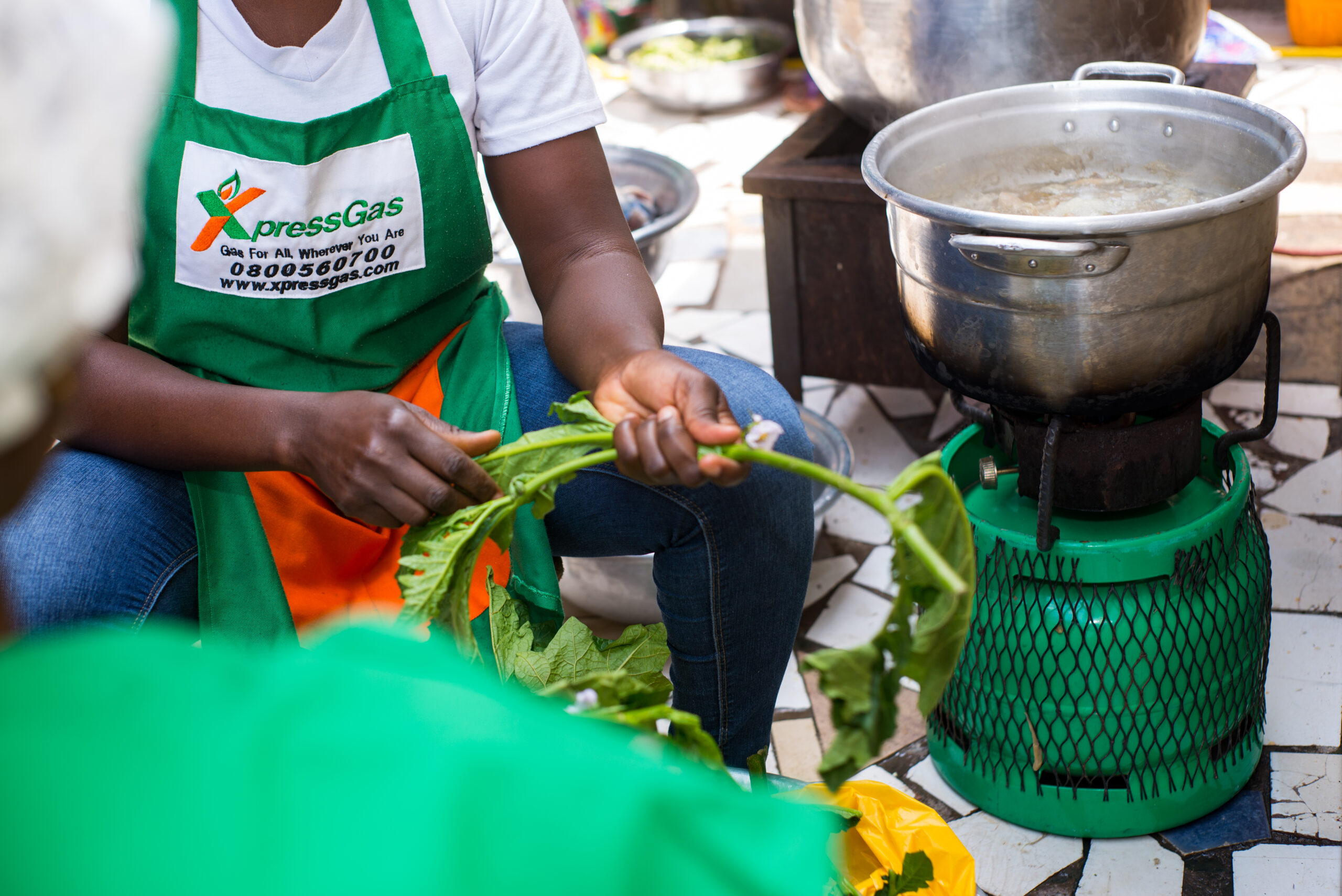
The Nigerian Government has focused on the expansion of access to LPG as a primary source of energy.
Foreign exchange fluctuations make it difficult to access foreign exchange through the Central Bank of Nigeria. As a result, producers and importers often buy currency from the informal economy, increasing product costs for final consumers.
Supply
Demand
According to World Bank data, 26.2% of the population had access to clean fuels and technologies for cooking in 2023, which marks an improvement over the 24.4% who had access in 2022. In 2023, 48.7% of the urban population had access to clean cooking fuels, compared with just 9.7% of the rural population.
Compared with access to clean cooking fuels and technologies, there is much better access to electricity in Nigeria; 61.2% of the population had access in 2023, up from 60.5% in 2022.
Click ‘Read more’ to explore data from World Bank.
According to the Nigeria Consumer Segmentation report (see related resources below), 15% of Nigerian households primarily use LPG to cook. One in four urban households cook the majority of their meals with LPG.
Related Resources
Policy
Click ‘Read more’ to explore relevant aspects of Nigeria’s Nationally Determined Contribution and other policies relevant to clean cooking.
Carbon
Nigeria has 18 registered cookstove projects. These projects have generated 3.4 million carbon credits to date.
Click ‘Read more’ to explore the dashboard.
Results Based Finance
There is one clean cooking RBF program that has operated, or is underway, in Nigeria.
Click ‘Read more’ to explore the table of RBFs.
Connect With Us
If you’d like to see more data on this page, please email carbon@cleancooking.org or fill in the form below.